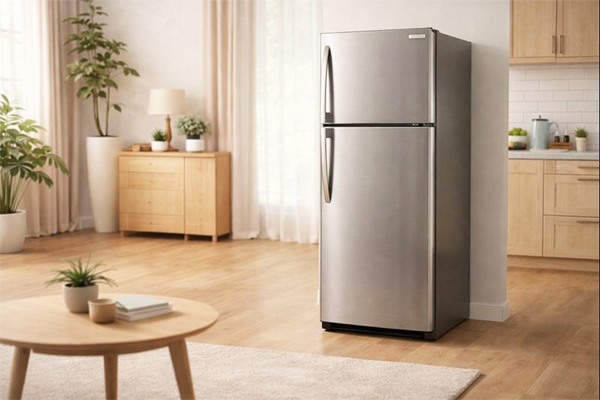
In the design of refrigerators and cold chain equipment, the door light switch is a critical component for human-machine interaction and energy-saving control. By monitoring the open/closed status of the refrigerator door, these switches provide real-time control over internal lighting and fan systems. Achieving the optimal balance between performance and cost in engineering selection depends on a precise understanding of the functional differences and application scenarios of Micro Switches and Limit Switches.
Refrigerator Light Switch Operating Principle and Logic
A refrigerator light switch is essentially a position-sensing device. Its core electrical logic typically employs a Normally Closed (NC) configuration:
Closed Door State: The door body presses down on the switch’s actuator or plunger, breaking the contact. This cuts power to the circuit, and the internal light turns off.
Open Door State: As the door moves away from the switch, the internal spring mechanism drives the actuator to reset. The contacts close, conducting electricity and illuminating the internal light.
Refrigerator Micro Switches vs. Refrigerator Limit Switches
While different types of switches perform the same function within a refrigerator’s control system, they differ significantly in physical construction and application focus:
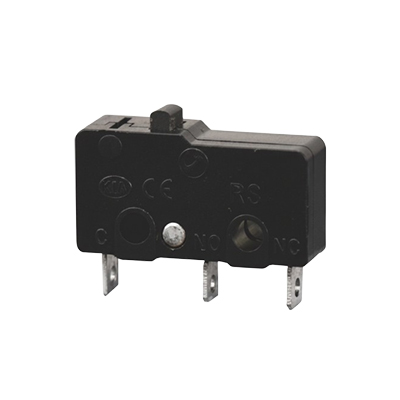
Refrigerator Micro Switches
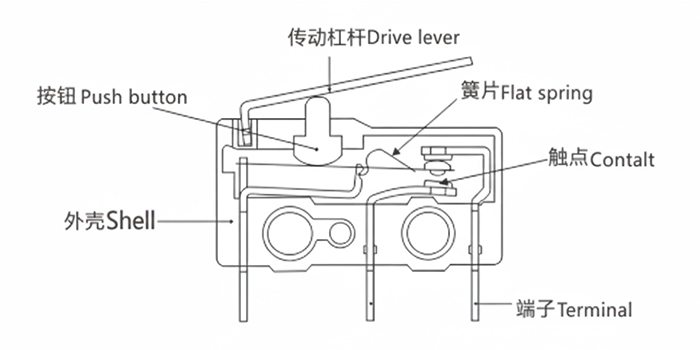
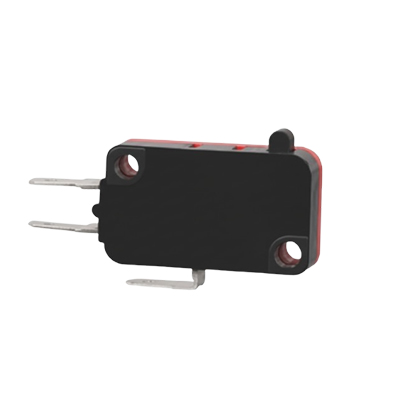
Micro switches focus on an internal rapid-action mechanism and serve as core control components in refrigerator circuitry.
Technical Characteristics: Compact size, low operating force, and high sensitivity.
Installation: Suitable for structures with limited internal space; typically secured with screws or integrated into plastic snap-in brackets.
Application Advantages: Capable of precise switching with high frequency while occupying minimal space—a standard configuration for domestic refrigerators.
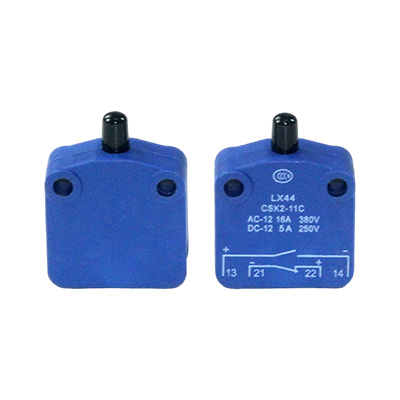
Refrigerator Limit Switches
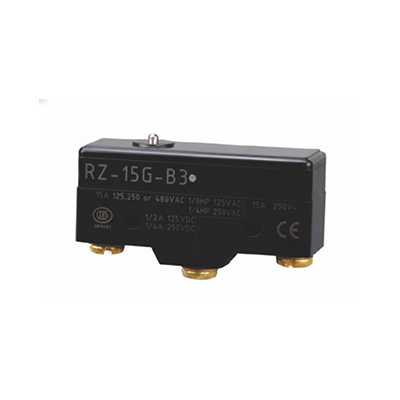
Limit switches focus on external protection and the execution mechanism, effectively serving as an industrial-grade enhanced version of a micro switch.
Technical Characteristics: Equipped with a rugged external protective housing, offering superior impact resistance and a robust execution mechanism.
Installation: Features a fully accessible wiring structure, supporting multi-directional installation and facilitating convenient routing and maintenance.
Application Advantages: Capable of withstanding significant mechanical impact; primarily used in commercial freezers, display cases, and large-scale industrial cold chain systems.
Related reading: Micro Switch VS Limit Switch: Differences and Relations
Refrigerator Micro Switch Reliability and Environmental Requirements
The unique temperature and humidity environments inside a refrigerator impose strict requirements on switch reliability:
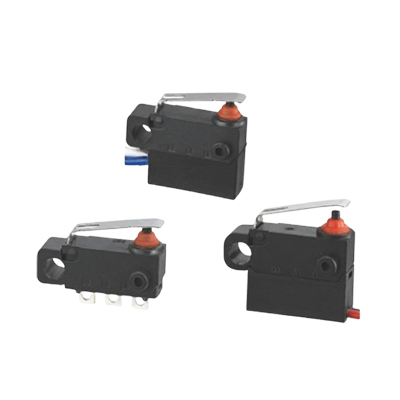
Ingress Protection (IP67):
Excellent sealing performance is required for a waterproof micro switch to prevent condensation generated during the defrosting process from causing short circuits.
Low-Temperature Resistance: Materials such as lubricating grease, sealants, and plastic housings must remain physically stable at temperatures ranging from -20°C to -40°C, avoiding material brittleness or delayed mechanical action.
Contact Materials: The use of silver alloy contacts ensures low contact resistance and exceptional oxidation resistance, guaranteeing accurate electrical signal transmission over long-term operation.
Mechanical Life and Safety Certification: Given the high frequency of use, premium products must possess a mechanical lifespan exceeding 1 million cycles and comply with international safety certifications such as CQC, UL, VDE, and CE.
Related reading: How Micro Switch Contact Materials Affect Performance
Liyond Refrigerator Micro Switch Solutions and Services
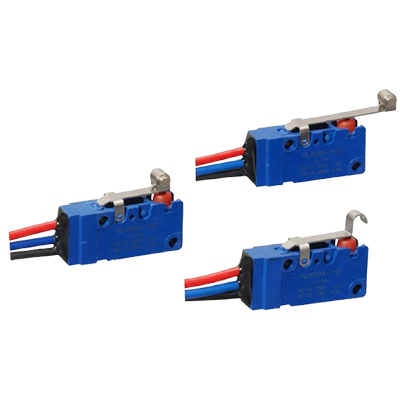
As a professional micro switch supplier, Liyond is dedicated to providing high-quality switching solutions to global customers. Leveraging mature production capabilities, Liyond focuses on supplying various precision switch products, including waterproof micro switches, limit switches, and specialized switches for household appliances.
We offer in-depth customization support based on specific customer needs, such as bracket types, wire lengths, and terminal specifications. Whether for the home appliance industry or complex industrial applications, Liyond ensures the reliability of the entire system through professional technical support, making us your trusted partner.