
With the rapid expansion of the global Low-Speed Vehicle (LSV) market, golf carts have evolved from traditional sports equipment into essential transportation for resorts, gated communities, and industrial logistics. In this evolution, the degree of electrification and the intelligence of control systems have become core benchmarks for product performance. Unlike the complex electronic sensing systems found in passenger cars, the operational logic of a golf cart relies heavily on real-time responses between mechanical actions and electrical commands. As the critical interface between physical operation and electronic control systems, the micro switch plays a decisive role in current management, precise signal transmission, and safety interlock mechanisms. A deep understanding of the technical characteristics of this key electronic component is vital for optimizing vehicle performance and enhancing supply chain stability.
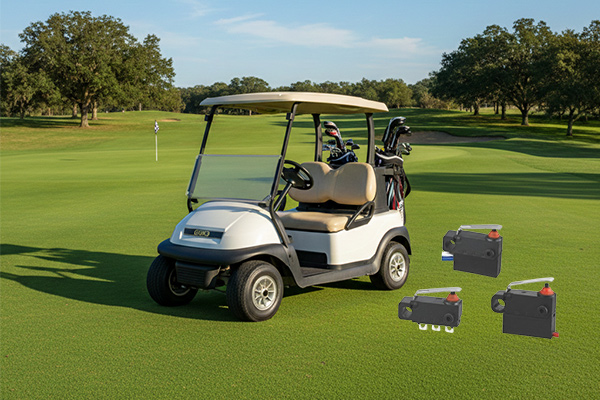
What is a Golf Cart Micro Switch?
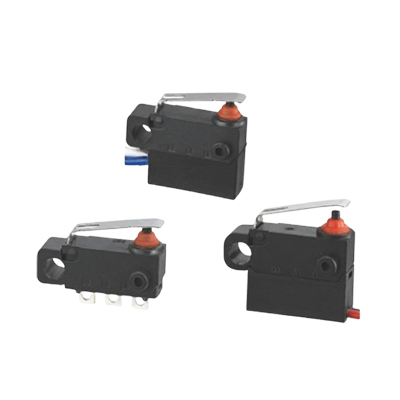
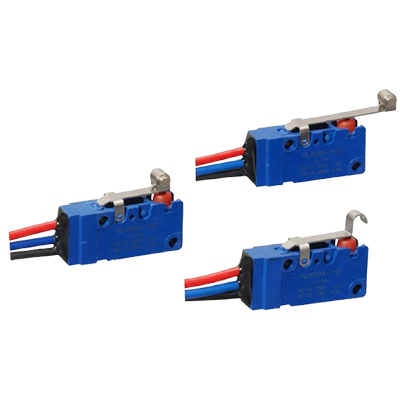
A golf cart micro switch is essentially a specialized type of micro switches. Given the complex outdoor conditions of golf courses, the high frequency of start-stop operations, and the strict requirements for control precision, the industry typically selects industrial-grade micro switches characterized by high durability, high protection ratings, and rapid sensitivity. These switches trigger an internal spring mechanism via an extremely small physical stroke, achieving a snap action for contact conversion.
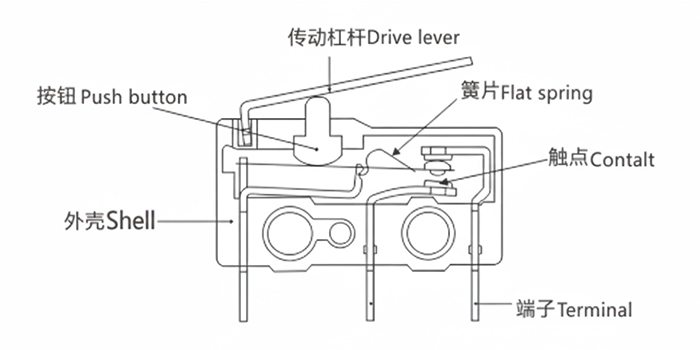
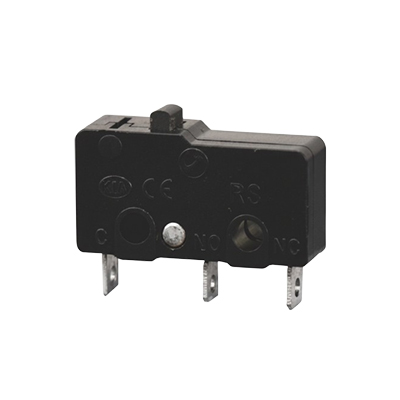
For golf carts, this snap-action mechanism is crucial because it ensures the circuit generates a clear, uninterrupted on-off signal the moment a pedal is pressed or a gear is shifted, thereby preventing system misjudgments caused by poor contact. A golf cart micro switch generally consists of a robust insulating plastic housing, high-conductivity internal metal contacts, and an external actuator (such as a roller lever or a plunger) designed to match the vehicle’s mechanical structure. In circuit layouts, they are typically configured in Normally Open (NO) or Normally Closed (NC) modes, serving as an indispensable logical feedback unit in modern golf cart electrical systems.
Functions of Micro Switches for Golf Cart Systems
Micro switches on golf cart act as status sensors within the golf cart control chain, responsible for translating physical mechanical actions into the system’s electronic execution logic. Their main functions can be summarized in the following three areas:
-
Signal Initiation and Transmission: The micro switch senses the driver’s operational commands (such as depressing the accelerator pedal) and sends a low-voltage signal to the controller or solenoid, thereby activating the vehicle’s primary power system.
-
Circuit Load Management: In specific circuit designs, the micro switch directly controls the current flowing to the solenoid coil. The energy from the main battery pack can only be transmitted to the motor when the switch is in the closed state.
-
Safety Interlock Protection: Micro switches are used to establish safety logic for the vehicle. For example, by monitoring whether the vehicle is charging or if the gear is in the neutral position, the switch determines whether to allow the vehicle to start, preventing safety risks caused by accidental operation.
Primary Installation Locations for Golf Cart Micro Switches
The smooth operation of a golf cart depends on complex electromechanical coordination, where every critical physical operation requires precise electrical feedback. To achieve this fine-grained control, micro switches are accurately installed at several key interaction nodes throughout the vehicle. By monitoring the real-time physical state of different components, these switches ensure that operational commands are transmitted accurately to the control system:
1. Accelerator Pedal Box
This is the most common application for micro switches. When the driver presses the accelerator pedal, the pedal linkage triggers the micro switch. The switch then activates the solenoid, allowing the vehicle to move. If the switch in this location fails, the vehicle will not receive the startup signal.
2. Forward/Reverse Selector
Two to three micro switches are typically installed inside the gear selector assembly. These switches determine the rotational direction logic of the drive motor. When the selector is moved to different positions, the corresponding switch closes, informing the controller whether the vehicle needs to move forward or backward.
3. Brake and Parking Systems
The micro switch is linked to the brake pedal. Its functions include triggering the tail lights when the brake is pressed and sending a synchronization signal to the system when the parking brake is engaged or released.
4. Charger Receptacle Interlock
Many electric golf carts have a micro switch installed at the charging port. When the charging plug is inserted, the switch state changes, and the system automatically cuts off the traction circuit. This logic ensures the vehicle remains stationary during charging, preventing the cable from being pulled out or damaged.
Critical Selection Criteria and Quality Standards of Micro Switch for Golf Cart
Since golf carts operate long-term in variable outdoor environments and high-intensity conditions, their internal micro switches must meet specific technical benchmarks to ensure the reliability of the vehicle supply chain. Choosing a reputable micro switch manufacturer is the first step in securing high-quality components that adhere to international safety and performance standards. When selecting golf cart micro switches, focus should be placed on the following dimensions:
1. Stability in Extreme Environments
Considering golf course irrigation, rainy climates, and dusty environments, a high-quality waterproof micro switch is essential for maintaining consistent vehicle performance. Such golf cart micro switches should possess excellent waterproof and dustproof ratings, with high-performance components typically recommended to meet an IP67 rating or higher. Using a sealed housing and silicone seals effectively prevents oxidation or corrosion of internal contacts caused by moisture or impurities, maintaining stable contact resistance even in harsh conditions (usually required to be less than 50 milliohms).
2. Superior Operational Life and Fatigue Resistance
Due to the frequent start-stop and gear-shifting operations during golf cart use, the micro switches must pass rigorous mechanical and electrical life tests. In industry standards, mechanical life usually needs to reach over 1,000,000 cycles, while electrical life (under rated load) should be maintained between 100,000 and 500,000 cycles. When sourcing, it is essential to ensure the internal spring mechanism has strong fatigue resistance to prevent delayed response or failure after long-term high-frequency use.
3. Physical Compatibility and Installation Standards
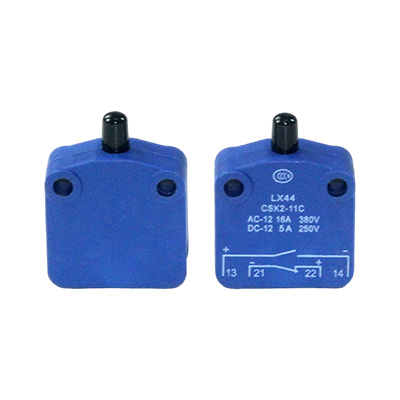
To facilitate subsequent replacement and maintenance, the dimensions of the micro switch must comply with general industry physical standards to achieve seamless matching with new vehicle assemblies and aftermarket parts. This includes standardized mounting hole spacing (typically 22.2mm or 25.4mm) and terminal specifications (such as 6.3mm or 4.8mm quick-connect terminals). Precise physical specifications not only reduce installation costs but also ensure the switch maintains a stable electromechanical connection during vehicle vibration and jolting, enhancing overall system safety.
Conclusion: The Engineering Foundation for Vehicle Reliability
In the electrical architecture of a golf cart, the micro switch may be small in size and cost, but as a critical electromechanical feedback unit, it significantly impacts the vehicle’s operational response quality and long-term maintenance convenience.
The core value of a high-quality, industry-standard switch component lies in eliminating instability within the control chain. It ensures the vehicle maintains an accurate signal closed-loop when facing frequent start-stops and variable outdoor conditions, effectively preventing vehicle downtime or system logic conflicts caused by the failure of a minor component. For manufacturers, rigorous switch selection is not only about refining engineering details but also a vital guarantee for reducing after-sales maintenance costs and building market brand reputation. Ensuring the reliability of these foundational interaction points is the basis for achieving product premiumization and long-term operational value in the LSV industry.



 English
 Russian